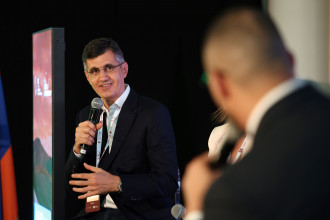


Aghvan Avagyan. modern models of hotel management: opportunities and challenges for armenia
The hotel industry has undergone significant transformation since 2021, driven by post-pandemic recovery, digitalization, and evolving traveler expectations. For Armenia—a nation with growing tourism potential—adopting effective hotel management models is crucial for sustainable development. This article analyzes contemporary forms of hotel management, including international chains, marketing networks, independent management companies, and owner-operated models, evaluating their applicability in Armenia. Special attention is given to the role of hospitality education and service culture. The paper argues that combining global best practices with local strengths can position Armenia as a competitive player in the transregional hospitality market.
Since the COVID-19 pandemic, the global hospitality industry has rapidly adapted to new market dynamics, emphasizing health standards, digital transformation, and flexible management structures. For Armenia, where tourism has emerged as a strategic economic sector, modernizing hotel management practices is critical. Armenia offers rich cultural heritage, developing infrastructure, and increasing international visibility, but its hotel sector must address management capacity, service quality, and operational models to compete regionally.
Tourism in Armenia has rebounded strongly since the lifting of pandemic-related restrictions. According to the Tourism Committee of Armenia, the country welcomed over 2 million visitors in 2023—a 35% increase from 2022—thanks to improved air connectivity, regional stability, and promotional campaigns. The rise of cultural, gastronomic, and eco-tourism, along with diaspora engagement, has stimulated demand for high-quality accommodation, particularly in Yerevan, Dilijan, Gyumri, and Tatev.
Despite growth, challenges remain. Many hotels in Armenia are small, family-run operations lacking professional management or standardized service protocols. Investment is increasing, but aligning management practices with global norms is essential for long-term competitiveness.
One of the key drivers of hotel performance is professional human capital. In Armenia, there is a growing demand for hotel managers and service professionals with international education or practical exposure. While local universities offer hospitality programs, they often lack the practical components found in leading European models—especially the Swiss dual system, which integrates hands-on experience with theoretical training.
Adapting Swiss-style education models to Armenia could enhance managerial competence and operational excellence. Establishing partnerships with international hospitality schools or implementing in-hotel training programs can help close the skills gap. Furthermore, emotional intelligence, service-mindedness, and cultural adaptability are increasingly recognized as critical soft skills for hospitality personnel.
As Armenia seeks to modernize its hospitality infrastructure, understanding and applying diverse management models is vital.
Global hotel chains such as Marriott and Radisson have recently expanded into Armenia, bringing brand recognition, high standards, and access to global booking platforms. These chains typically operate under management contracts or franchise agreements, where the local owner retains legal control while the chain ensures brand compliance and service delivery.
In Armenia, this model has proved effective for large-scale urban hotels but remains limited outside Yerevan due to high operational costs and brand entry barriers.
Many independent Armenian hotels join marketing or reservation networks such as Booking.com, Expedia, or Hostelling International. These systems allow them to maintain independence while benefiting from global exposure and advanced booking technologies. However, reliance on third-party platforms also increases commission costs and limits direct customer relationships.
A promising development is the growth of regional marketing alliances within the South Caucasus, which may offer Armenian hotels a cost-effective alternative for cooperative promotion.
This model involves professional firms managing hotel operations on behalf of owners. Although still underdeveloped in Armenia, independent management companies can bring flexibility, customized strategies, and expertise—especially for boutique hotels, resorts, and mixed-use developments. As Armenia's tourism sector diversifies, this model may become increasingly attractive to foreign investors and diaspora entrepreneurs.
The dominant model in Armenia remains owner-operated hotels, especially in rural areas. This model offers creative autonomy and deep local authenticity but often suffers from inconsistent service standards, lack of digital integration, and weak revenue management. With proper training and consultancy, these operations can improve performance while preserving unique Armenian hospitality.
Regardless of the management model, the quality of guest experience remains paramount. Armenian hospitality is rooted in strong cultural traditions of generosity and warmth, but translating these into consistent service standards requires training and leadership. Emotional intelligence, multilingual communication, problem-solving, and cultural sensitivity are increasingly valued by international guests.
Investing in staff development, service design, and feedback mechanisms can elevate the reputation of Armenian hotels and foster long-term customer loyalty.
Conclusion
Armenia’s hospitality sector stands at a pivotal stage. The post-2021 recovery has created momentum for investment, innovation, and internationalization. To capitalize on these trends, Armenian hotels must adopt flexible management models suited to their size, market, and resources. Integrating international best practices, expanding professional training, and fostering a culture of service excellence will be crucial.
Policymakers should support industry development through regulatory clarity, tourism incentives, and partnerships with educational institutions. With strategic alignment, Armenia can position itself as a regional hospitality leader while retaining the authenticity of its service culture.
References
- Tourism Committee of Armenia (2024). Annual Tourism Report: Visitor Statistics and Trends. Yerevan: Ministry of Economy.
- World Bank (2023). Boosting Tourism Competitiveness in the South Caucasus. Washington, DC: World Bank Group.
- UNWTO (2022). Tourism Recovery Tracker: Europe and Eurasia. Madrid: United Nations World Tourism Organization.
- Swiss Education Group (2023). Hospitality Education Outlook 2023: Skills, Innovation, and Leadership. Montreux: SEG Press.
- Armenian State University of Economics (2022). Challenges in the Armenian Hospitality Sector: Education and Practice. Yerevan: ASUE Research Bulletin.
Author Aghvan Avagyan